Taking Positive Action
In desperate need of a dose of happiness? Ready to take positive action in order to feel happier and in control? This webinar recording gives you the strategies and techniques you need to to make that change with confidence.
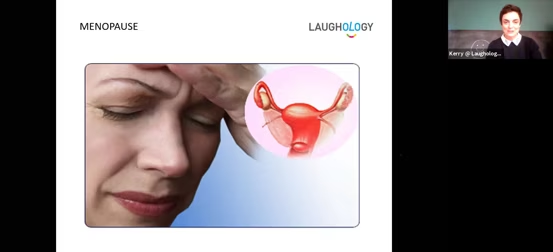
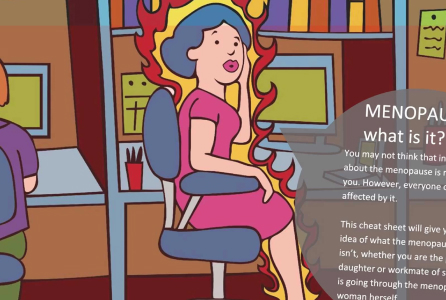
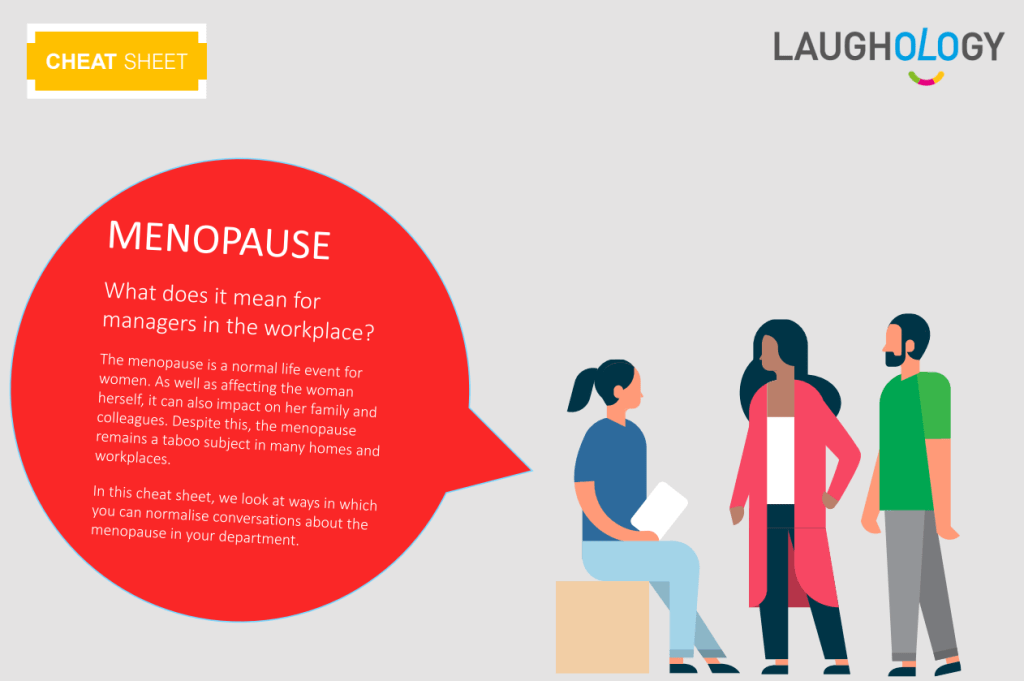
Hot Damn, The Menopause is Happening
Laughologist, Kerry Leigh, talks all things menopuase and shares some helpful advice on how to make it the ‘norm’ in the workplace.
How to Improve Your Mood - Dave Keeling
Do you want some quick tips to help improve your mood? Laughology’s Dave Keeling gives you his top 3 strategies to have you smiling again in no time.
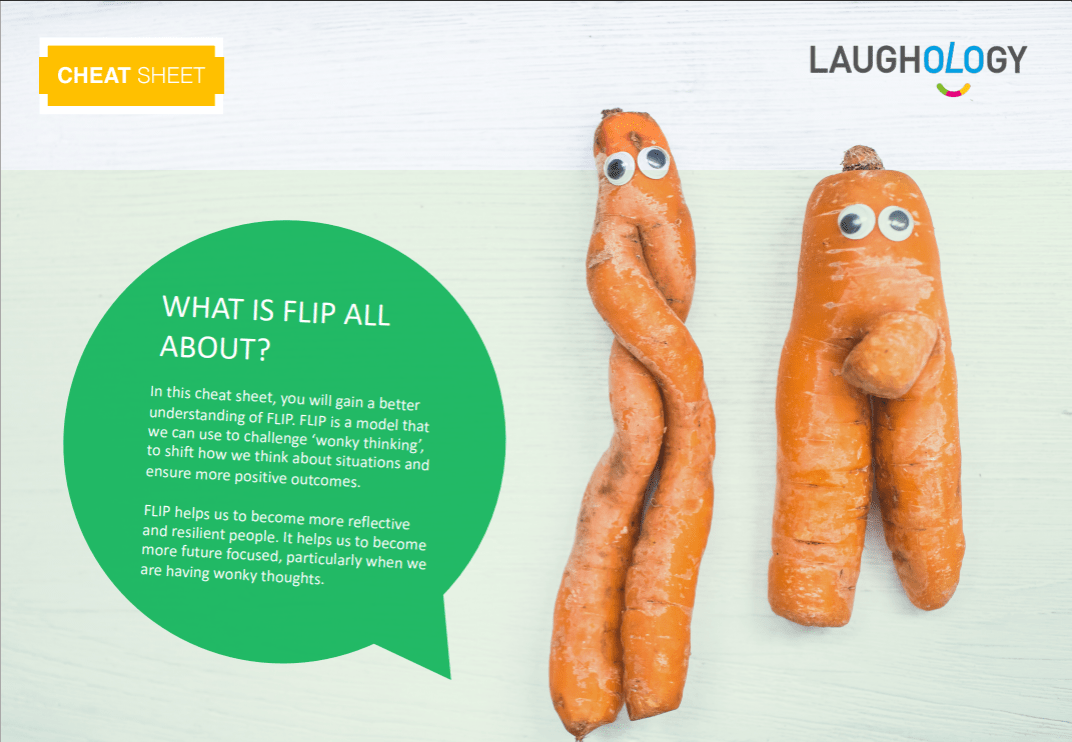
Flip-it Thinking - Wonky Thoughts
Negative thoughts can lead us to irrational behaviour and a wide range of emotions. In this video, Kerry Leigh explains why negative thoughts occur and what you can do when you recognise these ‘wonky thoughts’ in your everyday life.
Wonky Thoughts and Your Circle of Control
Tired of feeling negative? Are negative thoughts getting in the way of your overall happiness? Well, Dave Keeling’s here to help you get rid of what we call ‘wonky thoughts’ by helping you to regain a sense of control and therefore ultimately feel happier.
Understanding and Managing Stress
Are you fed up of feeling stressed? Do you just wish you could manage your stress levels and feel happier? Well, Laughologist Laura Drury is here to give you 3 ways to manage your stress easily and effectively.
Supporting Mental Health at Work
Supporting mental health at work starts with getting to know your colleagues. Kerry Leigh explains just why it’s so important for everyone in the workplace.
Mental health in the Workplace - Spot, Support, Signpost
Don’t know where to start with mental health? Here’s a simple and colourful Laughology introduction to the three S’s – SPOT, SUPPORT, SIGNPOST for better mental health.
Managing Wonky Thoughts
We can be our own worst critic and our negative thoughts can make us feel low. It’s time to catch those ‘wonky thoughts’ and look at how you’re speaking to yourself.
Using Positive Anchors to Feel Calm and In Control
If you’re feeling overwhelmed or stressed, finding a positive anchor or trigger to help you feel calm again can work wonders for your wellbeing, helping you feel in control again.
Feel Better with the F*ck-it Bucket
How Cold Showers Can Improve Your Mood
Feel Happier and Fill Up Your Humour Bank