
Are your performance reviews on autopilot? Discover why connection, curiosity and conversation beat automation every time — and how HR leaders can bring humanity back to performance management.
Despite what you might have read, there are several things ChatGPT can’t do. It can’t change a tyre, or cook you dinner, or rub your feet. It can’t write a decent blog either. I’ve tried, and all you get is that weird anodyne word-slop you see in a billion LinkedIn posts.
However, there’s a growing temptation to let AI steer performance management. Feed it the data, click generate, pour a cuppa. Job done.
Except it’s not, is it?
Because performance reviews are about people — brilliant, messy, emotional, sometimes awkward people. And when you outsource empathy to an algorithm, you end up with something that looks efficient but feels empty. So, the good news is that robots aren’t quite ready to take over the world just yet. Although they have taken over feeding Barry the Laughology cat when we go away for the night.
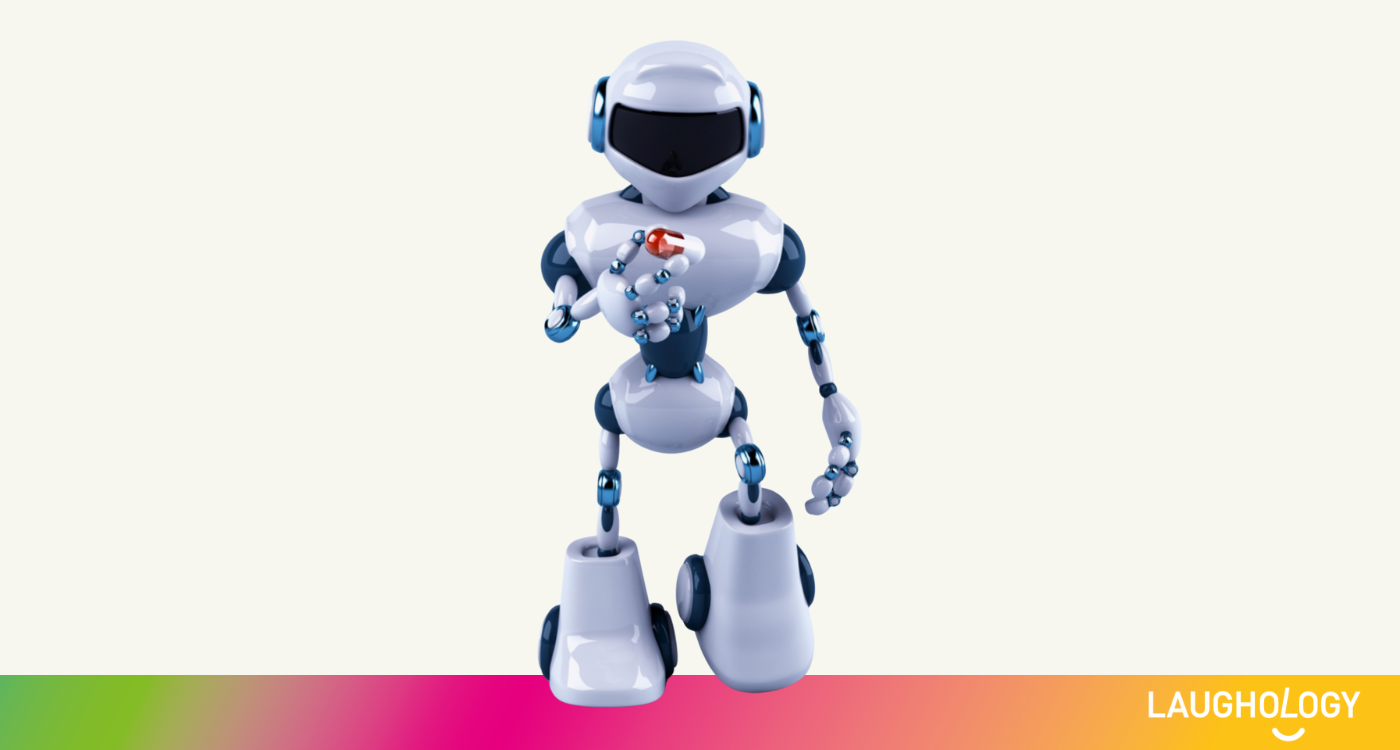
Barry’s reaction to the sleek white automatic feeder is an apt metaphor for how many of us feel about technological automation. He’s anxious because he knows it means his owners are having a respite night away from his constant demands. But he also knows it will dish out the kibble at the programmed times, so he relies on it, and because of that, he hates it.
Barry’s robot feeder can’t pet him or talk to him. It can’t emote – and so he can’t relate.
Which rather clumsily brings me to the subject of year-end performance reviews.
When performance reviews go on autopilot – or should we say Co-Pilot?
Within the secretive world of HR, I’ve heard rumblings and rumours that some overworked HR execs are turning to AI to help them create performance management plans. It’s logical, right? AI is about input and output. Feed it the data, tell it what you want the data to do… and then have a Curly Wurly while you watch it reel off the output. Makes sense.
Except that what you lose is human connection. There’s no emotive consideration involved in assessing the data and the results, so while you may sit face-to-face and deliver the review, you are not connected to it. You are a remote feeding device, and for that, Barry hates you.
Performance management is a contentious subject. According to recent StaffCircle research, 21% of employees say their organisation doesn’t even have a performance management process. Meanwhile, 76% only check in with their manager once a month or less. Add to that the 54% of people who’d consider quitting if they didn’t get regular feedback, and it’s clear that performance management is performing badly.
It probably needs a performance management review of its performance management. But what if that creates an infinity mirror effect where performance management reviews are reviewed ad infinitum until the whole world becomes one big review? Or perhaps I’m overthinking. Basically, performance management is not being done very well.
Annual end-of-year box-ticking exercises are not performance management
This could be because most performance management systems were built for a world where good performance meant being the first one in, last one out, and looking busy in between. But the world of work has changed. We’re hybrid, connected, and hopefully more emotionally intelligent about workplace happiness, engagement and satisfaction.
Yet many people still report feeling unseen and unheard. This is often because check-ins are rare and objectives are vague. The connection is broken, and when workplaces and the people in them become disconnected, performance conversations end up turning into autopsies rather than opportunities. And let’s face it, no one likes an autopsy.
Conversely, used properly, performance reviews are hugely beneficial. They create clarity, fairness, and focus. They provide a baseline for behaviours and outcomes, helping everyone understand what ‘good’ looks like, how it connects to the organisation’s purpose and how it can be achieved. They fail when they become an annual end-of-year box-ticking exercise, DOA rather than living and breathing. They need to be fed and nurtured with humanity and connection throughout the year.
Why difficult conversations can happen
One of the most common adverse consequences of annual reviews is a dissonance between expectation and reality, typified by that moment when someone walks into a meeting expecting praise and walks out with a warning and a grudge. Problems should never be surprises and regular check-ins tend to head them off before they become problems.
If there are nasty surprises, it’s not performance management, it’s an ambush.
In a healthy system, nobody should be shocked by their rating or review. Regular
conversations, small course corrections and open feedback mean performance discussions
are simply summaries of what’s already been said.
Focus on people, not processes
So how do you turn your performance reviews into harmonious, consensual conversations?
At Laughology, we see the best leaders treating performance as an ongoing dialogue, not a yearly interrogation. They ask questions like:
- What’s working well for you right now?
- What’s been your biggest learning this month?
- Where do you need more support?
- How do your goals connect to our values?
These questions invite honesty and shared accountability.
Also, aim to create clarity on expectations and success measures. Define what positive behaviours look like in practice. Create fairness through consistency. Link performance to purpose and growth.
Use the data you have at your disposal, but make sure it’s assessed by a human. Assess with curiosity. Data only tells you what is happening; conversations tell you why. And the why is the interesting piece. How you killed the cat tells a one-dimensional story. Why you killed the cat leads to a much more interesting story.
Finally, here are a few tips to consider:
- Start by being transparent. Share your performance rating framework and criteria with your team beforehand. Let people know what you’ll be looking at and why.
- Ask for self-reflection. Encourage each team member to rate themselves first. Ask them to think about where they’ve excelled, where they’ve struggled, and what evidence they can share.
- Gather feedback and insight. Suggest they speak to two colleagues who’ve worked closely with them this year to gather short pieces of feedback, strengths, impact, and examples.
- Focus on evidence, not memory. Performance should be measured across the whole year, not the last four weeks. Encourage people to bring examples that show how they’ve demonstrated key behaviours or achieved results throughout.
- Make the conversation developmental. Use the framework as a guide to explore growth. Don’t judge. The tone should be: “Here’s what’s gone well — and this is what we can build on.”
Ultimately, what we’re saying is… don’t be an automatic cat feeder.